Excavated Water Features Built for Intended Use
Pond Digging in Tavares for recreational, agricultural, and drainage purposes requiring careful planning and precise excavation
Ponds serve multiple functions on Central Florida properties, from providing irrigation water for agricultural operations and creating fishing or wildlife habitat to managing stormwater runoff that would otherwise flood low areas. Excavating a functional pond requires more than digging a hole; proper design accounts for property layout, soil conditions, water table depth, and how the feature will be used once completed. Presley Outdoors llc excavates ponds in Tavares using equipment sized for projects ranging from small farm ponds to larger recreational features, shaping depths and slopes based on intended purpose rather than arbitrary dimensions.
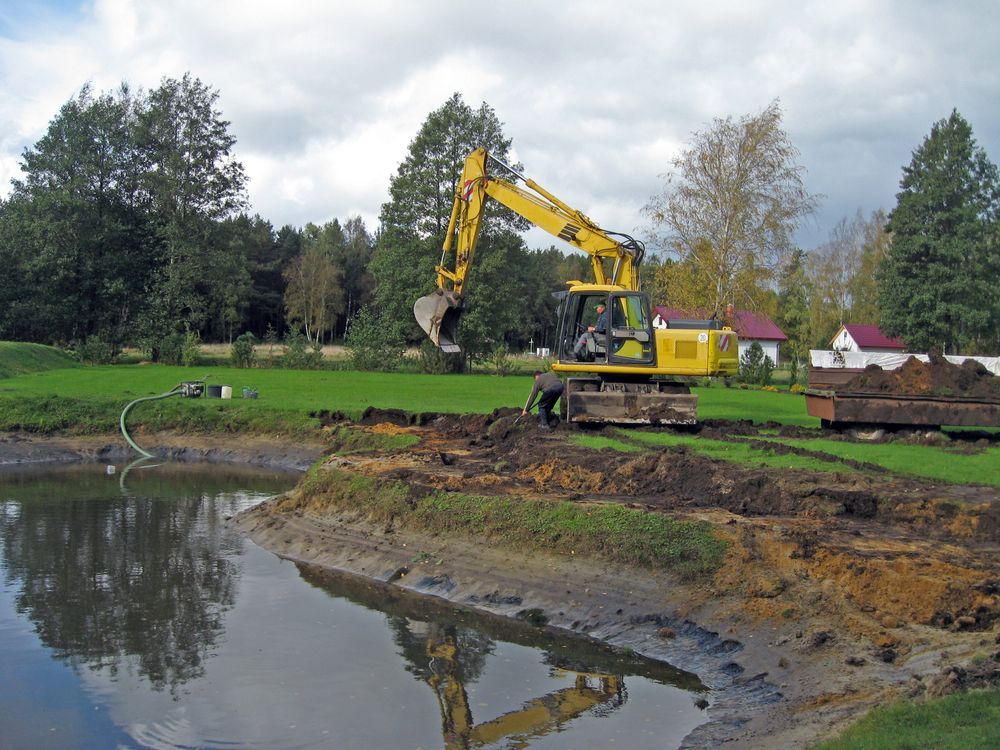
Pond excavation begins with site evaluation to determine where groundwater will naturally fill the basin, how surrounding terrain will drain into the feature, and what depth is needed for the intended use without excessive excavation costs. The digging process removes material in layers, stockpiling topsoil separately from subsoil and shaping side slopes that remain stable rather than slumping into the water. Equipment selection depends on project size and soil type, with larger excavators handling deep digging in sandy or clay soils while smaller machines work in tighter areas or finish grading.
Discuss pond design and excavation needs to establish size, depth, and site placement based on your property goals and ground conditions.
What Pond Excavation Actually Accomplishes
Proper pond construction considers side slope angles that prevent erosion and collapse, typically three-to-one or flatter in sandy Florida soils that don't hold steep cuts. Depth varies by purpose: shallow ponds that warm quickly support bass and panfish for recreational fishing, while deeper sections provide cooler refuges during summer heat and prevent complete vegetation overgrowth. Agricultural ponds need accessible banks for livestock watering or pump placement, while stormwater features require inlet and outlet structures that control water levels during heavy rain.
After excavation is complete, the pond fills naturally from groundwater and rainfall, creating a permanent or seasonal water feature depending on water table levels and site hydrology. You see a defined basin with stable banks that don't erode during rain events, water that remains relatively clear once sediment settles, and depths sufficient for intended use without shallow areas that quickly choke with vegetation. Excavated material is spread on surrounding property for fill or removed entirely, leaving clean banks rather than steep spoil piles that erode back into the pond.
Pond projects also include rough shaping of surrounding areas to direct runoff into the feature without creating erosion channels, particularly important during Florida's summer rainy season when storms deliver high volumes in short periods.
Grading around the pond ensures tractors, mowers, or vehicles can access the banks without getting stuck in soft soils near the water's edge.
Questions Before Starting Your Project
Excavating ponds in Tavares requires understanding both the construction process and how local soil and water table conditions affect pond function and longevity.
What size pond is practical for different property uses?
Recreational fishing ponds typically range from one-quarter to one acre with depths of eight to twelve feet, while agricultural irrigation or livestock ponds vary based on water needs and available excavation area on the property.
How deep should a pond be excavated for year-round water?
Depth depends on groundwater levels at the site, but ponds in Central Florida generally need at least eight feet of depth to maintain water during dry seasons when the water table drops and evaporation rates increase.
What happens to the soil removed during pond excavation?
Excavated material can be spread across the property to raise grades in low areas, used to build berms around the pond for fishing access, or hauled off-site if not needed, depending on soil quality and site conditions.
Why does pond location matter on a property?
Location affects whether groundwater will keep the pond filled, how much area drains into it during rain, and whether the site is accessible for equipment without crossing wetlands or steep slopes that complicate construction.
What should I consider when planning a pond project in Tavares?
Consider intended use, how much area you want to dedicate to the water feature, whether permits are required based on size and proximity to wetlands, and how excavated material will be used or disposed of during construction.
Presley Outdoors llc works with property owners to design and excavate ponds that match specific goals and site conditions throughout the Tavares area. Contact us to review your property and discuss pond options that fit your land and intended purpose.