Ground Prepared for Your Next Project
Land Clearing in Tavares for overgrown lots and wooded acreage being prepared for construction, agriculture, or access improvements
Overgrown vegetation and dense tree stands prevent development, limit usable acreage, and create maintenance challenges on properties intended for construction, pasture improvements, or recreational use. You arrange land clearing when purchasing raw land that requires preparation before building can begin, when converting wooded areas to agricultural use, or when improving access across rural properties where brush and small trees have overtaken trails and fence lines. Presley Outdoors llc clears trees, brush, and vegetation from residential, commercial, agricultural, and recreational properties throughout Tavares and surrounding areas, using equipment scaled to the project size and designed to minimize unnecessary soil disturbance while efficiently removing unwanted growth.
Clearing work is planned around what remains and what gets removed, with boundaries established before equipment enters the site to protect trees and vegetation you want to keep. Equipment operation focuses on removing targeted growth efficiently while preserving topsoil structure and avoiding compaction that makes future grading and planting more difficult. The extent of clearing varies from selective removal of specific tree clusters to complete vegetation removal across multiple acres, depending on your intended use for the cleared land.
Discuss acreage goals and project timelines to develop a clearing plan that prepares your land for its intended use.
What You Notice Once Clearing Is Finished
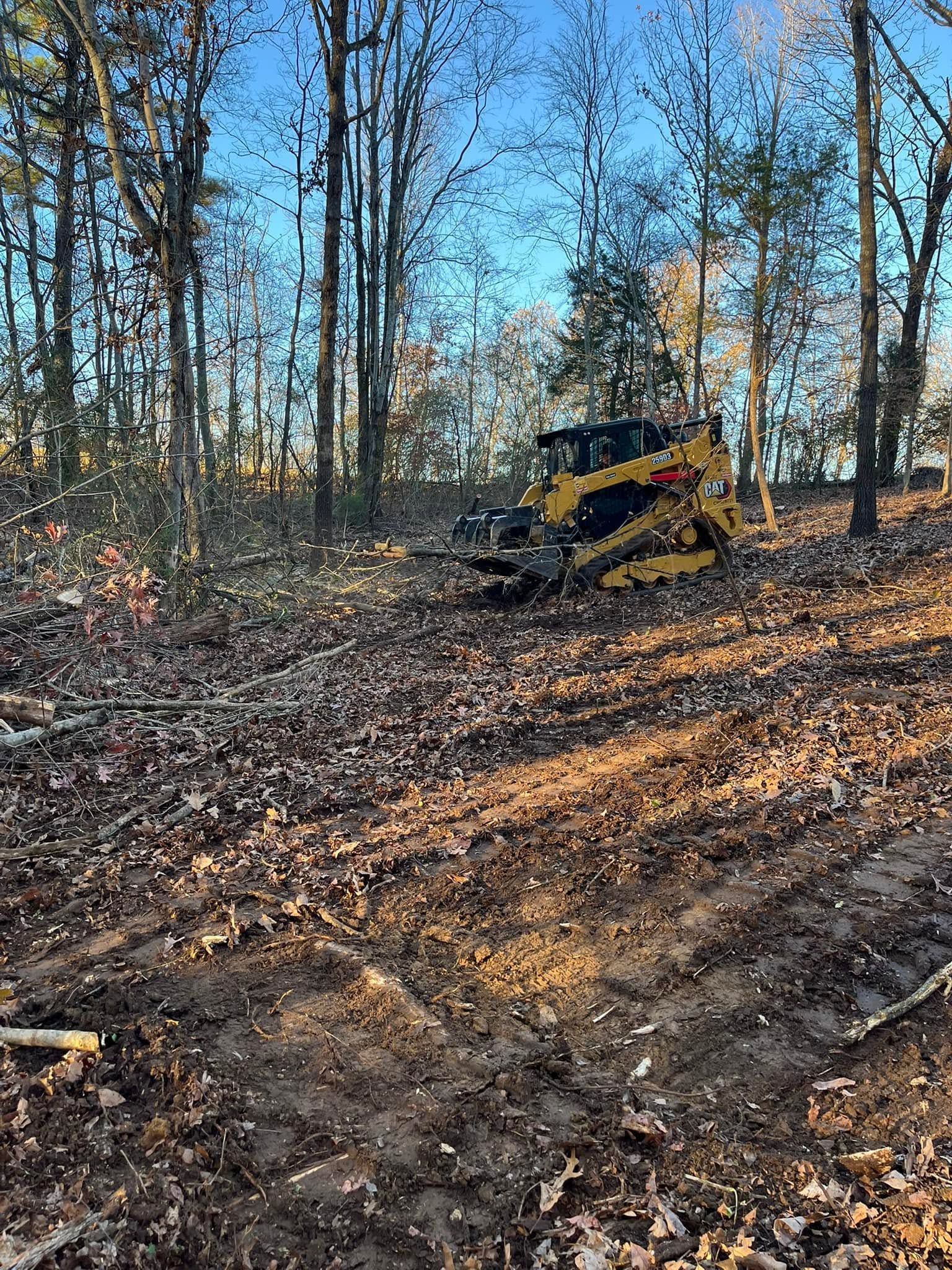
Clearing begins with identifying property boundaries, locating underground utilities if applicable, and marking trees or vegetation designated for retention before equipment mobilizes. Efficient machinery removes trees at ground level, pushes brush into piles for disposal or burning where permitted, and grades the cleared area to establish drainage patterns that prevent standing water. In Florida's sandy soils, equipment selection affects how much fine root material remains in the ground, which influences how quickly the site can be replanted or built upon without interference from decomposing organic matter.
After clearing, you see open ground where dense vegetation previously blocked access and obscured property lines. The land becomes accessible for surveying, foundation layout, fence installation, or pasture seeding, with clear sight lines across the entire cleared area. Equipment and materials can be delivered and staged without navigating around trees and brush, and future maintenance becomes simpler as regrowth is limited to ground-level vegetation rather than established woody plants.
Clearing removes above-ground vegetation but does not include stump grinding or root removal unless specifically requested, as many projects proceed with stumps grubbed out during
subsequent grading operations. Thorough cleanup removes debris piles, leaving the cleared area ready for the next phase of development, whether that involves construction, agricultural improvements, or simply maintaining the land as open space. Coordination with
site preparation schedules ensures clearing is completed in time to meet construction timelines or planting windows for pasture establishment.
Questions Before Starting Your Project
Land clearing projects raise questions about scope, equipment impact, and what the site will look like after vegetation is removed.
What is the difference between selective clearing and complete clearing?
Selective clearing removes specific trees and brush while preserving desirable vegetation, while complete clearing removes all above-ground plant material from the designated area.
How is soil disturbance minimized during clearing operations in Tavares?
Equipment is sized appropriately for the project, with track-mounted machinery used when ground conditions are soft and wheeled equipment reserved for firmer soils that resist rutting and compaction.
What happens to the cleared vegetation and debris?
Material is either hauled off-site for disposal, chipped for mulch, or piled for burning in compliance with local regulations, depending on project requirements and what disposal methods are permitted in your area.
Why does cleared land sometimes need follow-up work before construction begins?
Grading, drainage improvements, and additional stump removal are often required after initial clearing to establish the final site conditions specified in construction plans.
How long does it take to clear multiple acres of wooded property?
Clearing timelines depend on vegetation density, tree size, site access, and soil conditions, with projects ranging from single-day operations for light brush removal to week-long efforts for heavily wooded acreage.
Presley Outdoors llc clears land for residential, commercial, agricultural, and recreational properties where vegetation removal is needed to prepare for future use. Set up a consultation to review your acreage, discuss clearing boundaries, and establish a timeline that aligns with your development or improvement schedule.