Clear Land Without Destroying What's Underneath
Forestry mulching in Tavares for acreage that needs usable access without heavy grading or soil damage
Dense brush, invasive vegetation, and small trees prevent you from using land you own. Presley Outdoors llc provides forestry mulching in Tavares and surrounding Lake County areas, processing vegetation in place and leaving a protective layer of organic material on the ground. The machine grinds brush and trees into mulch that settles into the soil rather than piling debris for removal or burning.
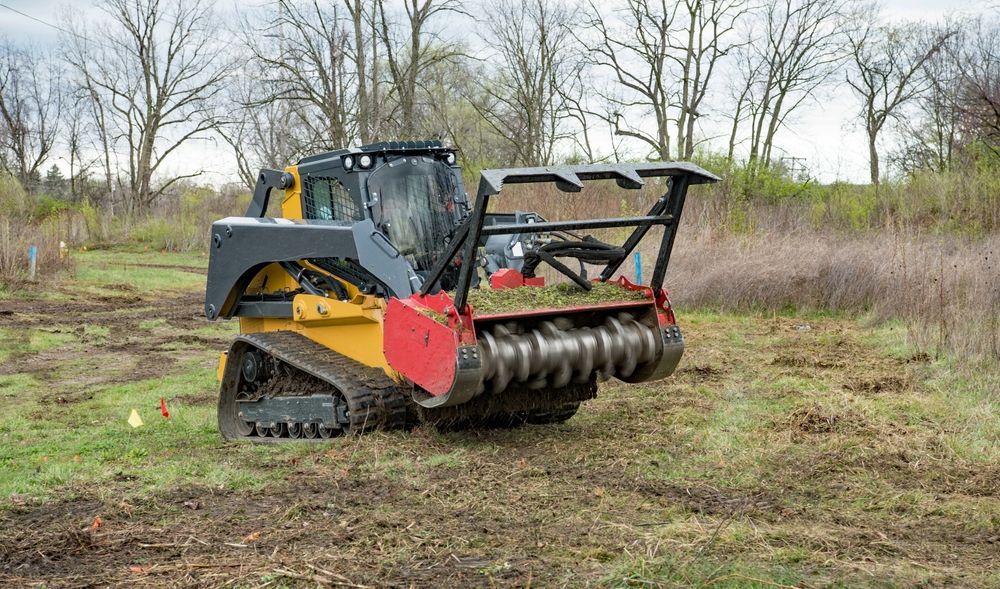
Forestry mulching cuts and grinds vegetation simultaneously, feeding material through a drum with carbide teeth that shreds brush, saplings, and invasive species into chips. The mulch falls back onto the cleared area, preventing erosion and enriching the soil as it decomposes. Traditional clearing requires separate cutting, hauling, and disposal, which compacts soil and strips topsoil layers.
Request a forestry mulching consultation to evaluate your property's vegetation density and clearing objectives.
What Proper Land Clearing Requires
The mulching attachment moves across terrain while the rotating drum grinds everything in its path to ground level. Operators adjust cutting depth based on root systems and desired ground finish, leaving tree stumps flush with the surface or grinding them below grade depending on future land use. The organic layer left behind stabilizes soil moisture and discourages weed germination during the first growing season after clearing.
After mulching, your property shows cleared sight lines and open ground that vehicles or equipment can cross without scraping undercarriages. The mulch layer settles within weeks and walking paths remain passable immediately after work finishes. Bare soil doesn't wash away during Florida's afternoon storms because the mulch absorbs rain and slows runoff across slopes.
Forestry mulching works for trail systems, hunting lanes, firebreaks,
homesite preparation, and fence line clearing. It does not remove large established trees or extract root systems from species that resprout aggressively. Some properties require follow-up herbicide treatment on stumps if the goal is permanent vegetation removal rather than ongoing maintenance cycles.
Answers to Frequent Service Questions
Property owners in Central Florida often ask about clearing methods, ground disturbance, and what gets removed during forestry mulching.
What types of vegetation does forestry mulching remove?
The equipment handles brush, brambles, invasive species like Brazilian pepper or air potato vine, saplings, and trees up to eight inches in diameter depending on machine specifications. Mature hardwoods and pines beyond that size remain standing or require separate cutting.
How does mulching compare to bulldozing for ground disturbance?
Mulching equipment rides on tracks that distribute weight and operate at ground level without blade pressure that scrapes topsoil. Bulldozers push soil and root systems into piles, leaving ruts and compacted earth that takes months to recover.
When is the best time to schedule forestry mulching in Tavares?
Dry season from late fall through early spring allows equipment to access properties without sinking into saturated ground. Summer clearing is possible on well-drained sandy soils, but wet clay areas become impassable during Central Florida's rainy months.
What happens to the mulch after clearing is finished?
The organic material decomposes over six to eighteen months, adding nutrients to the soil and creating a layer that holds moisture during dry periods. You can plant through the mulch layer or leave it in place as a natural ground cover.
How long does forestry mulching take for typical acreage?
Clearing rates depend on vegetation density, with light brush covering one to three acres per day and thick scrub or heavy sapling growth reducing that to half an acre or less. Site conditions like standing water, rock outcrops, or terrain steepness also affect production speed.
Presley Outdoors llc completes forestry mulching projects throughout Lake County for residential acreage, agricultural land, and recreational properties. Schedule an on-site assessment to review your vegetation type and discuss clearing boundaries for trails, building sites, or access improvements.